Hey there! As a supplier of Horizontal Lathes with Slant Bed, I've seen firsthand how this unique design can really shake up a lathe's performance. So, let's dive into how the slant bed design affects the performance of a horizontal lathe.


1. Chip Management
One of the most noticeable impacts of the slant bed design is on chip management. In a traditional flat - bed horizontal lathe, chips can sometimes accumulate around the cutting area. This is a real pain because it can lead to re - cutting of chips, which not only affects the surface finish of the workpiece but also can cause premature tool wear.
With a slant bed horizontal lathe, the sloped design allows chips to fall away from the cutting zone more easily. Gravity does its thing, pulling the chips down and out of the way. This means that the cutting process remains cleaner, and the chances of chip re - cutting are significantly reduced. As a result, the tool life is extended, and the surface finish of the machined parts is much better. For example, when machining long, continuous parts, the slant bed design ensures that the chips don't pile up, allowing for a smooth and efficient cutting process.
2. Rigidity and Stability
Rigidity is crucial in any lathe operation. A slant bed design inherently provides better rigidity compared to a flat - bed design. The slanted structure distributes the cutting forces more evenly across the machine's base. When the cutting tool applies force to the workpiece, the slant bed can better withstand these forces without excessive deflection.
This improved rigidity translates into higher precision and better overall machining accuracy. In applications where tight tolerances are required, like in the aerospace or automotive industries, the slant bed horizontal lathe really shines. The stable structure also reduces vibrations during the cutting process. Vibrations can cause poor surface finishes and even damage to the cutting tool. With a slant bed lathe, operators can achieve smoother cuts and more consistent results.
3. Accessibility and Ease of Operation
Another great aspect of the slant bed design is the improved accessibility it offers. The slanted bed allows for easier access to the cutting area, the chuck, and other important components of the lathe. This is a huge advantage for operators, as they can quickly set up the machine, change tools, and adjust the workpiece without having to contort their bodies or reach awkwardly.
Easier access also means faster set - up times. In a production environment, every minute counts. By reducing the time it takes to prepare the machine for a new job, the slant bed lathe can increase productivity. For example, an operator can quickly reach the Tool Turret on a slant bed lathe and replace a worn - out tool, getting the machine back up and running in no time.
4. Space Utilization
Space is often a premium in manufacturing facilities. The slant bed design is more space - efficient compared to a flat - bed design. The slanted configuration allows the lathe to take up less floor space while still providing the same or even better machining capabilities.
This is especially beneficial for small to medium - sized workshops. They can fit a slant bed horizontal lathe into a smaller area, freeing up space for other equipment or workstations. It also means that manufacturers can potentially expand their production capacity without having to move to a larger facility.
5. Compatibility with Advanced Features
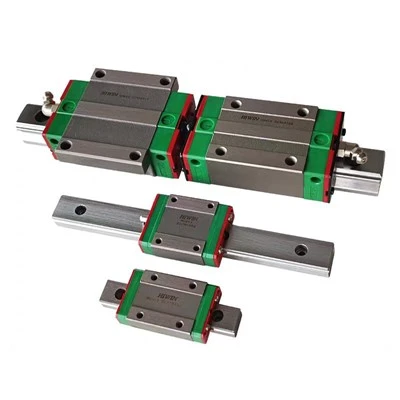
Slant bed horizontal lathes are more likely to be equipped with advanced features. For instance, they are often paired with Rolling - element Guideways. These guideways offer lower friction, higher precision, and better dynamic performance compared to traditional slide - way guideways. The slant bed design provides a better platform to integrate such advanced components.
Moreover, slant bed lathes are commonly used in conjunction with computer numerical control (CNC) systems. The Computer CNC Machine technology allows for precise control of the cutting process, and the slant bed design complements this by providing a stable and efficient machining environment. With CNC, operators can program complex machining operations, and the slant bed lathe can execute them with high accuracy.
6. Comparison with Other Machine Tools
When compared to other types of machine tools, such as CNC Vertical Machining Center, CNC Gantry Machining Center, and C and C Milling Machine, the slant bed horizontal lathe has its own unique advantages.
Vertical machining centers are great for operations that require vertical cutting and multi - axis machining. However, they may not be as efficient for long, cylindrical workpieces that are commonly machined on a horizontal lathe. Gantry machining centers are typically used for large - scale machining of heavy workpieces, while the slant bed horizontal lathe is more suitable for medium - sized parts with high precision requirements.
C and C Milling Machines are mainly focused on milling operations, while the slant bed horizontal lathe is designed for turning operations, which involve rotating the workpiece against a cutting tool. Each machine tool has its own niche, and the slant bed horizontal lathe stands out in applications where turning, precision, and efficient chip management are key.
7. Real - World Applications
The performance benefits of the slant bed design make it suitable for a wide range of real - world applications. In the automotive industry, it is used to machine engine components such as crankshafts and camshafts. These parts require high precision and a good surface finish, which the slant bed horizontal lathe can easily provide.
In the medical device manufacturing industry, where small, intricate parts need to be machined with extreme accuracy, the slant bed lathe's precision and chip management capabilities are highly valued. It can produce parts like surgical instruments and implants with the required tight tolerances.
8. Conclusion
In conclusion, the slant bed design has a profound impact on the performance of a horizontal lathe. It improves chip management, enhances rigidity and stability, provides better accessibility and ease of operation, optimizes space utilization, and is more compatible with advanced features. These advantages make the slant bed horizontal lathe a top choice for a variety of manufacturing applications.
If you're in the market for a high - performance horizontal lathe, I encourage you to consider our [Horizontal Lathes with Slant Bed](not a real link, but for the flow of the text). Our machines are designed to take full advantage of the slant bed design, offering you the best in precision, efficiency, and reliability. Whether you're a small workshop or a large - scale manufacturing plant, we have a solution that can meet your needs. Don't hesitate to reach out to us for more information and to start a procurement discussion. We're here to help you take your manufacturing operations to the next level.
References
- "Machine Tool Practices" by Richard R. Kibbe
- "Modern Manufacturing Technology" textbooks from leading engineering publishers.