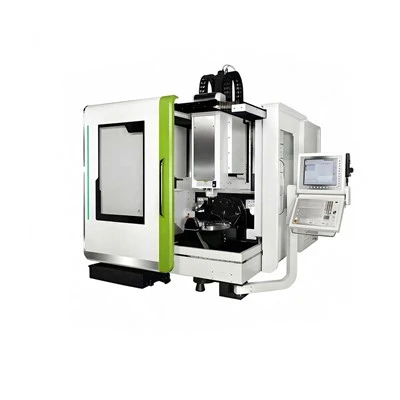
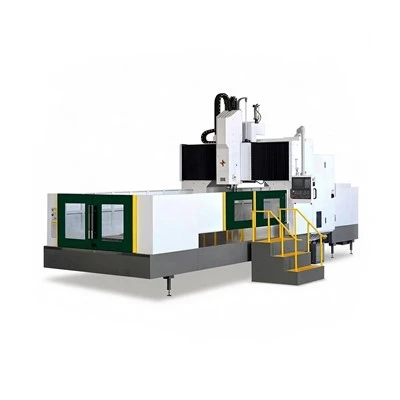
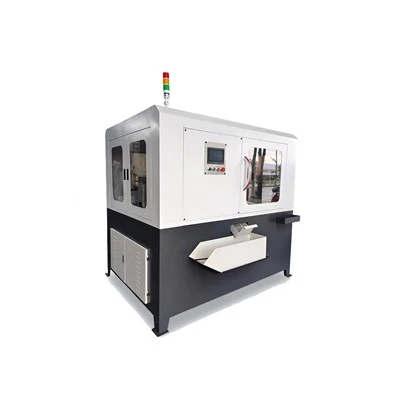
In the world of precision manufacturing, the Automatic Traub Machine stands as a paragon of efficiency and accuracy. At the heart of its seamless operation lies a seemingly humble yet absolutely crucial component: the coolant. As a leading supplier of Automatic Traub Machines, I've witnessed firsthand the profound impact coolant has on these remarkable pieces of equipment. In this blog, I'll delve into the multifaceted role of coolant in an Automatic Traub Machine.
Temperature Regulation
One of the primary functions of the coolant in an Automatic Traub Machine is to regulate temperature. During the machining process, there is a significant amount of heat generated due to the friction between the cutting tool and the workpiece. If this heat is not properly managed, it can have detrimental effects on both the machine and the final product.
Excessive heat can cause the cutting tool to wear out more rapidly. High temperatures can soften the tool material, reducing its hardness and sharpness. This leads to poor cutting performance, as the tool may not be able to make clean cuts, resulting in rough surfaces on the workpiece and decreased dimensional accuracy. Moreover, the heat can also cause thermal expansion of the workpiece, which can lead to incorrect measurements and a deviation from the desired specifications.
The coolant acts as a heat transfer medium. It circulates through the machining area, absorbing the heat generated during cutting and carrying it away from the cutting zone. This helps to keep the temperature of the cutting tool and the workpiece within an optimal range. By maintaining a stable temperature, the coolant extends the lifespan of the cutting tool, reduces the need for frequent tool changes, and ensures consistent machining quality.
Lubrication
In addition to temperature regulation, the coolant also serves as a lubricant. When the cutting tool comes into contact with the workpiece, there is a high level of friction. This friction not only generates heat but also causes wear and tear on the tool and the workpiece. The coolant forms a thin film between the cutting tool and the workpiece, reducing the friction between them.
This lubricating action has several benefits. Firstly, it allows the cutting tool to move more smoothly across the workpiece, resulting in cleaner and more precise cuts. The reduced friction also means that less force is required to drive the cutting tool, which can lead to energy savings. Secondly, the lubrication provided by the coolant helps to prevent the build - up of chips on the cutting tool. Chips that adhere to the tool can interfere with the cutting process, causing uneven cuts and potentially damaging the tool. By keeping the tool clean, the coolant ensures continuous and efficient machining.
Chip Flushing
Another important role of the coolant in an Automatic Traub Machine is chip flushing. As the cutting tool removes material from the workpiece, small chips are produced. These chips need to be removed from the machining area to prevent them from interfering with the cutting process.
The coolant is pumped at high pressure into the cutting zone, where it forces the chips away from the cutting tool and the workpiece. This ensures that the chips do not accumulate in the machining area, which could otherwise cause issues such as tool breakage, poor surface finish, and inaccurate machining. The chips are then carried away by the flowing coolant to a chip collection system, where they are separated from the coolant.
Corrosion Protection
The materials used in an Automatic Traub Machine, such as the workpiece and the machine components, are susceptible to corrosion. The presence of moisture, oxygen, and the by - products of the machining process can lead to the formation of rust and other forms of corrosion.
The coolant often contains additives that provide corrosion protection. These additives form a protective layer on the surface of the workpiece and the machine components, preventing them from coming into contact with corrosive substances. This helps to extend the lifespan of the machine and the workpiece, reducing maintenance costs and ensuring the quality of the final product.
Impact on Productivity and Quality
The proper use of coolant in an Automatic Traub Machine has a direct impact on productivity and quality. By regulating temperature, providing lubrication, flushing chips, and protecting against corrosion, the coolant ensures that the machine can operate smoothly and efficiently.
With reduced tool wear and less frequent tool changes, the machine can run for longer periods without interruption. This increases the overall productivity of the manufacturing process. Additionally, the improved cutting performance and dimensional accuracy resulting from the use of coolant lead to higher - quality products. The smooth surface finish and precise dimensions of the machined parts meet the strict requirements of various industries, such as automotive, aerospace, and medical devices.
Our Product Range and Coolant Compatibility
As a supplier of Automatic Traub Machines, we offer a wide range of products that are designed to meet the diverse needs of our customers. Our product portfolio includes click here Automatic Production Line, click here Automatic Screw Locking Machine, click here Auto Turning Machine, click here Automatic Drilling and Tapping Machine, and click here 3 Axis Cartesian Robot.


All of our machines are designed to work effectively with different types of coolants. We understand that the choice of coolant depends on various factors, such as the type of material being machined, the cutting speed, and the specific requirements of the machining process. Our technical support team can provide guidance on selecting the most suitable coolant for your application, ensuring optimal performance and longevity of your Automatic Traub Machine.
Contact Us for Procurement and Consultation
If you are in the market for an Automatic Traub Machine or have any questions about the role of coolant in these machines, we encourage you to reach out to us. Our team of experts is ready to assist you with your procurement needs, provide detailed product information, and offer technical support. We are committed to helping you find the best solutions for your manufacturing requirements. Whether you are a small - scale workshop or a large - scale industrial manufacturer, we have the products and expertise to meet your needs.
References
- Smith, J. (2018). Handbook of Machining Fluids. Elsevier.
- Brown, A. (2019). Precision Manufacturing: Principles and Applications. CRC Press.
- Machine Tool Technology Association. (2020). Guidelines for Coolant Selection in Automatic Machining Processes.