What are the environmental requirements for operating a Large CNC Lathe?
As a supplier of Large CNC Lathes, I understand that ensuring the optimal performance and longevity of these precision machines is closely tied to the environmental conditions in which they operate. In this blog post, I'll delve into the key environmental requirements for running a Large CNC Lathe effectively, highlighting how these factors can impact the machine's functionality and quality of output.
Temperature and Humidity Control
Temperature and humidity play crucial roles in the operation of a Large CNC Lathe. CNC machines are extremely sensitive to temperature variations. Fluctuations can cause the metal components of the machine to expand or contract, leading to inaccuracies in machining. For example, a significant change in temperature can affect the alignment of the cutting tools and the workpiece, resulting in dimensional errors. It is recommended to maintain a stable temperature within the operating environment of the CNC lathe. A temperature range between 20°C - 25°C (68°F - 77°F) is generally considered ideal for most Large CNC Lathes.
Humidity also needs to be carefully managed. High humidity can lead to corrosion of the machine's metal parts, especially those that are not properly coated or protected. Rust can damage the precision components of the lathe, such as the lead screws and guideways, reducing the accuracy and smooth operation of the machine. On the other hand, low humidity can cause static electricity buildup, which may interfere with the electronic controls of the CNC system. A relative humidity level between 40% - 60% is typically the best range for operating a Large CNC Lathe.
To achieve proper temperature and humidity control, the machine shop where the lathe is located should be equipped with heating, ventilation, and air conditioning (HVAC) systems. Regular maintenance of these systems is essential to ensure consistent performance. Additionally, humidity monitors can be installed to keep track of the humidity levels in real - time.
Cleanliness of the Operating Area
A clean environment is essential for the efficient and reliable operation of a Large CNC Lathe. The lathe generates chips and coolant during the machining process. If these are not properly managed, they can accumulate on the machine's components, leading to premature wear and tear.
Chips can jam the guideways and screw mechanisms of the lathe, causing the machine to move erratically and potentially damaging the workpiece. Coolant can also contaminate the machine's electrical components if it splashes onto them. Therefore, it is necessary to have an effective chip removal system in place. This can include chip conveyors, which automatically remove chips from the machining area and transfer them to a collection bin.
The coolant used in the CNC lathe should also be kept clean. A coolant filtration system can be installed to remove debris and contaminants from the coolant, ensuring that it can effectively cool and lubricate the cutting tools and workpiece.
In addition to chips and coolant, the general cleanliness of the operating area should be maintained. Dust and dirt can enter the machine's bearings, motors, and electronic controls, causing malfunctions. Regular cleaning of the machine and the surrounding area, including the floor and walls of the shop, is recommended.
Power Supply Quality
A stable and high - quality power supply is vital for the proper functioning of a Large CNC Lathe. CNC machines rely on complex electronic control systems, and any fluctuations or interruptions in the power supply can cause errors in the machining process.
Voltage variations can lead to incorrect control signals being sent to the motor drives, resulting in inaccurate positioning of the cutting tools. Power surges can damage the electronic components of the machine, such as the CNC controller, servo drives, and sensors. To ensure a stable power supply, an uninterruptible power supply (UPS) can be used. A UPS provides backup power in case of a sudden power outage, allowing the operator to safely shut down the machine and prevent damage to the workpiece and the machine itself.
Moreover, the electrical wiring in the machine shop should be properly installed and maintained. Electrical interference from other equipment in the shop can also affect the performance of the CNC lathe. It is advisable to isolate the CNC lathe from other high - power equipment and use shielded cables to minimize electrical interference.
Vibration and Shock Absorption
Large CNC Lathes are heavy - duty machines that generate significant vibrations during operation. These vibrations can not only affect the accuracy of the machining process but also cause damage to the machine's components over time.


To reduce vibrations, the lathe should be installed on a stable and level foundation. Anti - vibration pads can be placed under the machine's feet to absorb shock and minimize the transfer of vibrations to the surrounding environment. Additionally, the layout of the machine shop should be designed to minimize the impact of external vibrations. For example, the lathe should be located away from areas where there is heavy machinery movement or where there are other sources of vibration, such as large fans or generators.
If the CNC lathe is part of a production line, proper alignment and synchronization with other machines are also crucial to avoid additional vibrations caused by misaligned workpieces or inconsistent feeding.
Air Quality
The air quality in the operating environment of a Large CNC Lathe can have a significant impact on the machine's longevity and the health of the operators. During the machining process, fine metal particles and coolant mist are generated, which can be inhaled by the operators if not properly ventilated.
Good ventilation systems are necessary to remove these harmful substances from the air. Air extraction units can be installed near the machining area to capture the metal particles and coolant mist at the source. High - efficiency particulate air (HEPA) filters can be used to clean the extracted air before it is released back into the environment.
In addition, poor air quality can also cause the accumulation of dust on the machine's electrical components and circuit boards, leading to overheating and failures. Regular cleaning of the machine's internal components and the use of sealed enclosures can help protect them from dust and other contaminants.
Product Recommendations
As a supplier, we offer a range of high - quality CNC machines, each designed to meet the specific needs of different machining applications. For example, our Horizontal Lathe with Flat Guideways provides excellent stability and precision for turning operations. The flat guideways ensure smooth movement of the cutting tool, resulting in high - quality surface finishes.
If you are looking for a more compact solution for small - scale machining, our Bench Top CNC Mill is a great choice. It offers the same level of precision and functionality as larger CNC mills but in a more space - efficient design.
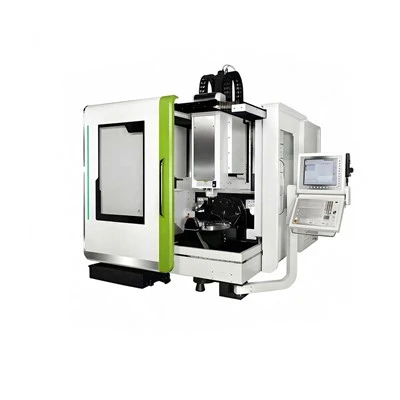
Our C and C Milling Machine is suitable for complex milling operations. With advanced control systems and high - speed spindles, it can handle a wide range of materials and machining tasks.
For high - precision and complex turning operations, our 5 Axis Turning Center provides unparalleled flexibility and accuracy. It allows for multi - sided machining in a single setup, reducing production time and improving efficiency.
Of course, our flagship product, the Large CNC Lathe, is designed to handle large - scale turning operations with ease. It is built with high - quality components and advanced technology to ensure reliable performance and long - term durability.
Conclusion
In conclusion, the environmental requirements for operating a Large CNC Lathe are diverse and critical for ensuring the machine's optimal performance, accuracy, and longevity. By controlling temperature, humidity, cleanliness, power supply quality, vibration, and air quality, operators can maximize the efficiency of the lathe and produce high - quality machined parts.
If you are interested in purchasing a Large CNC Lathe or have any questions about the environmental requirements for operating these machines, please feel free to contact us for further information and procurement discussions. Our team of experts is ready to assist you in finding the best solution for your machining needs.
References
- “CNC Machine Operations Handbook.” Industrial Press Inc., 2019.
- “Manufacturing Engineering and Technology” by Serope Kalpakjian and Steven R. Schmid. Pearson, 2014.