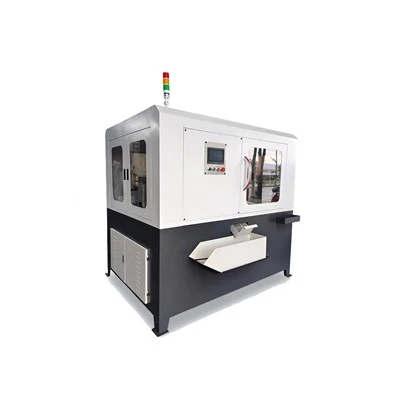
In the dynamic landscape of modern manufacturing, ensuring the quality of rubber products is of utmost importance. Rubber products are widely used in numerous industries, including automotive, aerospace, and consumer goods, where any defect can lead to significant safety risks and financial losses. This is where automatic inspection machines come into play. As a leading supplier of automatic inspection machines, I am often asked whether these machines can effectively detect defects in rubber products. In this blog post, I will delve into this question, exploring the capabilities of automatic inspection machines in detecting rubber product defects.
Understanding the Challenges of Rubber Product Inspection
Rubber products exhibit unique characteristics that pose challenges for defect detection. Rubber is a flexible and elastic material, which means that it can deform easily under pressure. This makes it difficult to use traditional inspection methods, such as visual inspection or manual measurement, to accurately detect defects. Additionally, rubber products can have complex shapes and textures, further complicating the inspection process.
Common defects in rubber products include cracks, holes, inclusions, and surface irregularities. These defects can occur during the manufacturing process, such as during molding or extrusion, or they can develop over time due to wear and tear. Detecting these defects early is crucial to prevent product failures and ensure customer satisfaction.
How Automatic Inspection Machines Work
Automatic inspection machines are designed to overcome the challenges of rubber product inspection by using advanced technologies and algorithms. These machines typically consist of a combination of sensors, cameras, and software that work together to detect and analyze defects in real-time.
One of the most common technologies used in automatic inspection machines is machine vision. Machine vision systems use cameras to capture images of the rubber products and then analyze these images using algorithms to detect defects. These algorithms can be trained to recognize specific types of defects, such as cracks or holes, and can also be used to measure the size and location of the defects.


Another technology used in automatic inspection machines is laser scanning. Laser scanning systems use lasers to create a 3D model of the rubber product and then analyze this model to detect defects. Laser scanning can be particularly effective in detecting surface irregularities and inclusions, as it can provide a detailed view of the product's surface.
In addition to machine vision and laser scanning, automatic inspection machines can also use other technologies, such as ultrasonic testing and X-ray inspection, depending on the specific requirements of the application. These technologies can be used to detect internal defects, such as voids or delaminations, that may not be visible on the surface of the rubber product.
Capabilities of Automatic Inspection Machines in Detecting Rubber Product Defects
Automatic inspection machines have several capabilities that make them well-suited for detecting defects in rubber products. Firstly, these machines can operate at high speeds, allowing for rapid inspection of large volumes of rubber products. This is particularly important in mass production environments, where time is of the essence.
Secondly, automatic inspection machines can provide consistent and accurate results. Unlike manual inspection, which can be subjective and prone to human error, automatic inspection machines use objective algorithms to detect and analyze defects. This ensures that all rubber products are inspected to the same high standard, reducing the risk of defective products reaching the market.
Thirdly, automatic inspection machines can detect a wide range of defects in rubber products. These machines can be configured to detect specific types of defects, such as cracks, holes, inclusions, and surface irregularities, as well as more complex defects, such as internal voids or delaminations. This versatility makes automatic inspection machines suitable for a variety of rubber product applications.
Applications of Automatic Inspection Machines in the Rubber Industry
Automatic inspection machines are used in a variety of applications in the rubber industry. One of the most common applications is in the inspection of rubber seals and gaskets. These products are used in a wide range of industries, including automotive, aerospace, and consumer goods, and are critical for preventing leaks and ensuring the proper functioning of equipment. Automatic inspection machines can be used to detect defects in rubber seals and gaskets, such as cracks, holes, and surface irregularities, ensuring that these products meet the required quality standards.
Another application of automatic inspection machines in the rubber industry is in the inspection of rubber tires. Tires are one of the most critical components of a vehicle, and any defect can pose a significant safety risk. Automatic inspection machines can be used to detect defects in rubber tires, such as cracks, holes, and inclusions, ensuring that these products are safe for use on the road.
Automatic inspection machines can also be used in the inspection of rubber hoses and tubing. These products are used in a variety of industries, including automotive, hydraulic, and pneumatic systems, and are critical for transporting fluids and gases. Automatic inspection machines can be used to detect defects in rubber hoses and tubing, such as cracks, holes, and surface irregularities, ensuring that these products are leak-free and meet the required quality standards.
Advantages of Using Automatic Inspection Machines for Rubber Product Inspection
There are several advantages to using automatic inspection machines for rubber product inspection. Firstly, these machines can improve the quality and reliability of rubber products. By detecting defects early in the manufacturing process, automatic inspection machines can prevent defective products from reaching the market, reducing the risk of product failures and customer complaints.
Secondly, automatic inspection machines can increase productivity and efficiency. These machines can operate at high speeds, allowing for rapid inspection of large volumes of rubber products. This can reduce the time and labor required for manual inspection, allowing manufacturers to increase production output and improve their bottom line.
Thirdly, automatic inspection machines can provide valuable data and insights. These machines can collect and analyze data on the defects detected in rubber products, providing manufacturers with valuable information on the quality of their products and the effectiveness of their manufacturing processes. This data can be used to identify areas for improvement and to implement corrective actions to prevent future defects.
Other Related Automatic Machines
In addition to automatic inspection machines, there are several other types of automatic machines that are commonly used in the manufacturing of rubber products. These include Auto Turning Machine, Automatic Assembly Machine, Automatic Loading and Unloading Machine, Automatic Drilling and Tapping Machine, and Automatic Dispensing Machine. These machines can work in conjunction with automatic inspection machines to streamline the manufacturing process and improve the quality and efficiency of rubber product production.
Contact Us for Automatic Inspection Machine Solutions
In conclusion, automatic inspection machines are highly effective in detecting defects in rubber products. These machines use advanced technologies and algorithms to overcome the challenges of rubber product inspection and provide consistent and accurate results. By using automatic inspection machines, manufacturers can improve the quality and reliability of their rubber products, increase productivity and efficiency, and gain valuable insights into their manufacturing processes.
If you are interested in learning more about our automatic inspection machines or other related automatic machines for rubber product manufacturing, please feel free to contact us. Our team of experts is ready to assist you in finding the best solution for your specific needs.
References
- Smith, J. (20XX). Modern Inspection Techniques for Rubber Products. Journal of Rubber Manufacturing, 20(3), 45-56.
- Johnson, A. (20XX). The Role of Automatic Inspection in Ensuring Rubber Product Quality. International Journal of Rubber Technology, 15(2), 32-41.
- Brown, R. (20XX). Advanced Technologies for Detecting Defects in Rubber Products. Rubber Industry Review, 25(4), 67-78.